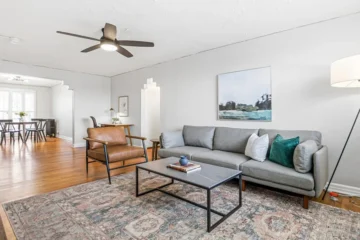
Sound Absorbing Panels are the Homeowner’s Secret Weapon Against Noise — Without Renovations

You know that feeling when your home looks lovely but somehow doesn’t feel calm? The décor is right, the lighting’s warm, yet the space still feels busy. Often, the culprit isn’t clutter or colour — it’s noise.
Sound has a sneaky way of shaping how we experience our surroundings. A room that echoes can feel harsh or unfinished, while one that’s acoustically balanced feels instantly more welcoming. The problem is, most homes weren’t designed with sound in mind.
You don’t need to tear down walls or spend a fortune to fix it. There’s an easy, stylish solution more homeowners are turning to — sound-absorbing panels.
Why Our Homes Are Louder Than Ever
Modern living has a lot going for it: open layouts, tall ceilings, minimalist décor, but acoustically, it’s a bit of a nightmare.
All those hard surfaces like tile, concrete, and glass look great, but bounce sound around like a pinball machine. Every step, phone call, or TV show seems to echo. If you live in a flat or condo, you might also hear your neighbour’s music, footsteps, or even their conversations.
It’s no wonder so many people say they struggle to relax at home.
The irony is that while we’ve mastered the art of visual comfort. Think soft lighting, cosy textures, calming colours, we’ve ignored the sense that matters most to our peace of mind: hearing.
What Sound Absorbing Panels Actually Do
Here’s where sound absorbing panels come in.
These sound panels are made from materials like foam, felt, or fabric-wrapped fibreboard that soak up sound waves instead of bouncing them around. You can install them on walls or ceilings, depending on where the echo is worst.
Once they’re in place, they reduce reverberation, soften harsh echoes, and make rooms sound more natural. You don’t have to cover the entire room, just a few well-placed panels can already make a big difference.
It’s a subtle change, but you’ll feel it immediately. The space will feel more acoustically balanced, conversations will be easier to follow, and even music will have more depth and clarity.
A Designer’s Shortcut to a Calmer Space
What makes these panels so popular isn’t just their acoustic performance — it’s how good they look.
Gone are the days when acoustic solutions looked industrial or dull. Today’s designs blend effortlessly into modern interiors. Think sleek wood slats, minimalist felt tiles, or elegant fabric panels that look like art pieces.
Some designers use them as a statement wall, while others prefer discreet styles that simply melt into the décor. Either way, they’re a design feature in their own right and one that quietly makes your home feel calmer and more comfortable.
Why They’re the Perfect No-Renovation Upgrade
Let’s be honest: not everyone wants to commit to a full renovation. It’s costly, messy, and time-consuming. But comfort shouldn’t have to wait for a big remodel.
That’s where panels shine — they’re quick to install, removable, and adaptable. Whether you own or rent, you can enjoy better sound without altering the structure of your space.
They’re ideal for:
- Living rooms, to reduce TV echo and chatter.
- Bedrooms, for a softer, more restful atmosphere.
- Home offices, to create a quieter environment for calls or concentration.
- Dining areas, where conversations can get a little too lively.
And because they don’t require major work, you can experiment. Try one wall, see the difference, then decide if you want more.
The Science of Why Calm Feels Better
There’s a reason we instinctively crave calm spaces. Constant background noise increases stress hormones, makes it harder to concentrate, and can even affect sleep.
But when you reduce echo and soften the sound in a room, your brain relaxes. That’s why restaurants use acoustic treatments — they make conversations feel intimate and pleasant. The same logic applies at home.
With panels in place, your environment feels less chaotic and more grounded. It’s not total silence (which can be unnerving); it’s balance — the sweet spot between lively and peaceful.
How to Make Them Work for Your Space
If you’re thinking of adding panels, start small. Identify which areas feel the noisiest or most “hollow” when you speak. That’s where they’ll make the biggest impact.
A few design ideas:
- Go vertical: Wall panels behind your sofa or bed can double as texture and sound control.
- Look up: Ceiling panels help in open-plan spaces where sound tends to travel.
- Be bold: Mix panel shapes or colours for a modern, architectural touch.
- Stay subtle: Neutral tones and fabric finishes blend beautifully into calm, minimalist interiors.
The best part? There’s no wrong way to do it. As long as you add softness, you’ll notice an improvement.
A Small Change With a Big Payoff
It’s funny how one simple upgrade can ripple through your daily life. Once the noise settles down, you’ll find it easier to focus, rest, and enjoy your home without distractions.
Your evenings feel calmer. Your workdays are more productive. Even your conversations sound clearer and more natural.
That’s what makes this solution so underrated — it’s not flashy or complicated, but it genuinely enhances how you experience your space.
Final Thought: Comfort You Can Hear
Creating a peaceful home doesn’t always mean big changes. Sometimes, it’s as simple as tuning out the noise, literally.
So before you consider tearing up floors or knocking down walls, try softening your space instead. With a few well-placed panels, you’ll discover just how much of a difference better acoustics can make. Because the best homes don’t just look good — they sound good too.