4 Common Warning Signs That You Need Termite Pest Control in Singapore
Key Highlights
- The appearance of mud tubes on walls or foundations is a definitive sign of subterranean termite activity.
- Hollow-sounding timber or paper-thin wood surfaces indicate significant internal structural damage.
- Discarded insect wings found near windows or doors suggest a colony is entering its reproductive stage.
- Difficulties with opening doors or windows may be caused by termite-related moisture and swelling.
- Understanding these signs is the first step in learning how to get rid of termites before they spread.
Introduction
Termites are often referred to as silent destroyers because they can chew through wood, flooring, and even wallpaper for years without being noticed. In a tropical environment like ours, these pests are incredibly active year-round, making termite pest control in Singapore a common reality for many homeowners. Most people only realise they have a problem once the damage is extensive and expensive to repair. However, termites do leave subtle clues behind if you know where to look. Being proactive and performing regular checks of your property can save you tens of thousands of dollars in structural repairs. Recognising the early warning signs allows you to act quickly and implement effective solutions to protect your home.
Visible Mud Tubes on Internal or External Walls
One of the most obvious signs of a subterranean termite infestation is the presence of mud tubes. These pencil-sized tunnels are made of soil and wood particles, and termites use them to travel between their underground nest and their food source. The tubes protect the insects from predators and provide the moisture they need to survive while moving across exposed surfaces such as concrete foundations or brickwork. If you see these earthy tracks running along your walls or hidden behind furniture, it is a clear indicator that you need termite pest control in Singapore. You should avoid breaking the tubes yourself, as this can cause the termites to retreat and move to a different, less visible part of your home, making it harder for professionals to track them later.
Hollow-Sounding Wood and Damaged Timber
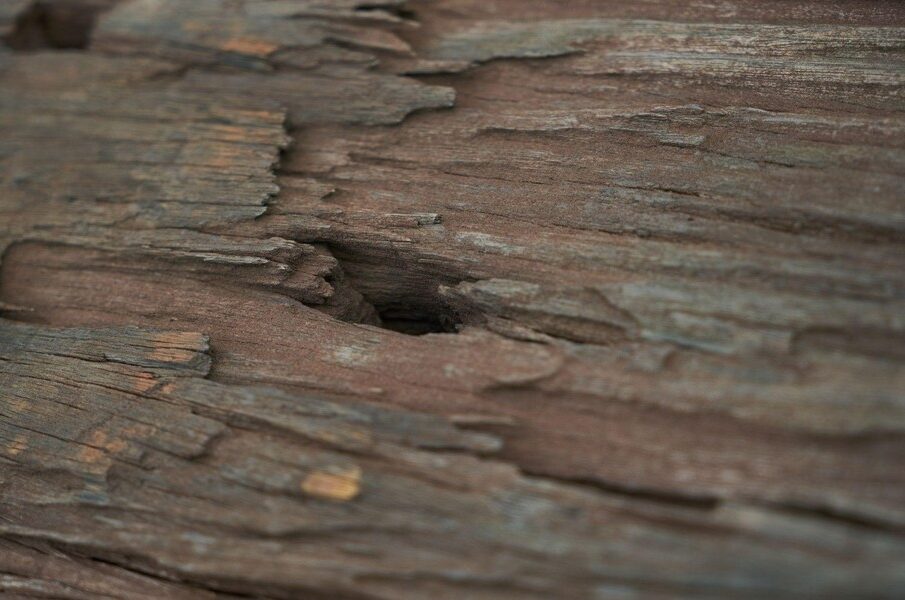
Termites usually eat wood from the inside out, leaving a thin veneer of timber or paint on the exterior. This means that a piece of wood may look perfectly fine on the surface while being almost entirely hollow underneath. You can check for this by tapping on wooden structures throughout your home, such as door frames, skirting boards, and support beams. If the wood sounds hollow or papery when tapped, it is likely that termites have already consumed the interior. In some cases, you might even see the wood buckling or sagging. Identifying these weakened areas is essential when determining how to get rid of termites, as it helps technicians pinpoint the most active feeding sites for targeted treatment.
Discarded Wings and the Presence of Swarmers
Termites eventually reach a stage in their colony cycle where they produce swarmers, which are winged reproductive termites. These insects fly away from their original colony to find a mate and start a new nest. In Singapore, these swarms often occur during the rainy season or after a heavy downpour. If you find piles of small, translucent wings on your windowsills, near light fixtures, or on the floor, it means a swarm has recently taken place. Since these insects lose their wings shortly after landing, the presence of the wings alone is a sign that a colony is either already established in your home or is trying to move in. This is a critical moment to seek professional help to prevent a new infestation from taking hold.
Stuck Doors and Windows
Many people attribute difficulty in opening windows or doors to the general humidity of the local climate. While humidity does cause wood to swell, termites can exacerbate this problem significantly. As termites tunnel through wooden frames, they bring moisture with them and produce excrement that creates a humid environment within the timber. This action causes the wood to warp and swell more than it would naturally, leading to doors and windows that stick or fit poorly in their frames. If you notice a sudden change in how your doors or windows operate, especially if accompanied by other signs like mud tubes, it is a strong indicator of an active infestation. Professional termite pest control in Singapore can help diagnose whether the issue is purely environmental or caused by pests.
Conclusion
The key to successfully managing a termite problem is early detection. By being aware of mud tubes, hollow wood, discarded wings, and warped frames, you can catch an infestation before it leads to a structural catastrophe. Termites work slowly but tirelessly, and their impact on your property can be devastating if left unchecked. If you notice even one of these warning signs, it is important to consult with an expert who knows exactly how to get rid of termites using safe and effective methods. Protecting your home is about more than just aesthetics; it is about preserving the safety and value of your living space. Stay vigilant and act immediately at the first sign of trouble to ensure your property remains a secure sanctuary for your family.
If you have spotted any of these warning signs in your home, contact First Choice Pest Specialist today to book a comprehensive termite inspection.