8 Steps Involved in Bed Bug Pest Control in Singapore
Key Takeaways
- Professional inspection identifies infestation levels before treatment begins.
- Layered treatments combine steam, chemicals, and dusting for effectiveness.
- Follow-up visits ensure long-term control and prevent re-infestation.
Introduction
Bed bug pest control in Singapore involves a structured process that addresses both visible infestations and hidden breeding areas within a home. Many people assume a single treatment resolves the issue, yet bed bugs often spread across multiple surfaces and remain undetected in small crevices. Without a systematic approach, treatments may only reduce activity temporarily rather than eliminate the root problem. Understanding each step in the process helps set realistic expectations and ensures that every stage contributes to long-term control rather than short-term relief.
1. Initial Visual and Targeted Inspection
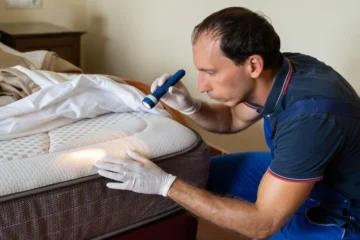
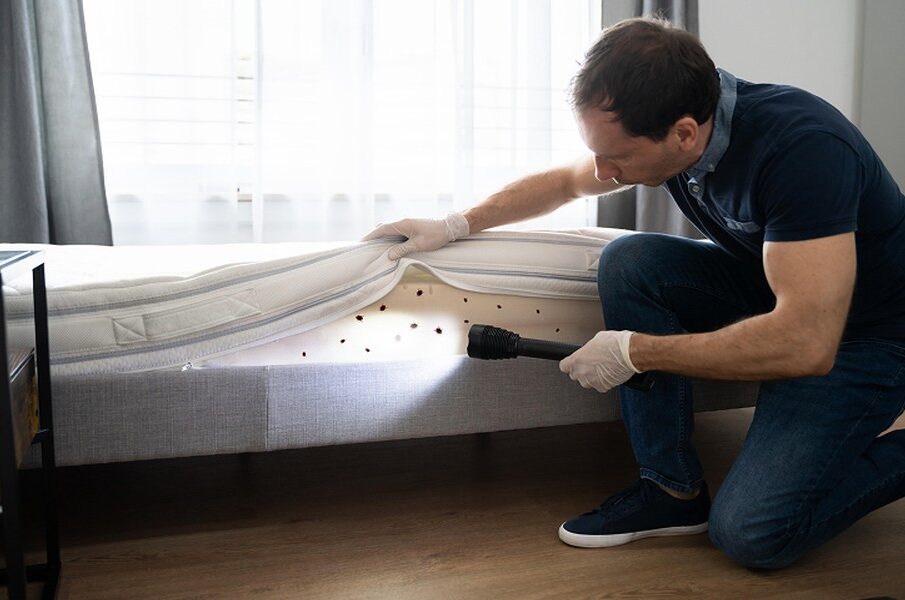
The process begins with a detailed inspection that focuses on areas where bed bugs commonly hide. Technicians examine mattress seams, bed frames, and nearby furniture to assess how far the infestation has spread. This step establishes the scope of the problem and determines the treatment approach. A thorough inspection ensures that no major hiding spots remain overlooked, which is essential for effective control.
2. Pre-Treatment Preparation Guidance
Before treatment begins, residents receive instructions on how to prepare the space. This may include washing fabrics, clearing clutter, and isolating personal items to prevent further spread. Preparation supports the effectiveness of treatment by reducing hiding spots and ensuring that all affected areas remain accessible. Following these guidelines helps avoid delays and improves the overall outcome of the process.
3. High-Temperature Steam Application
Steam treatment plays a key role in eliminating bed bugs at different life stages. Technicians apply controlled heat directly to mattresses, upholstery, and other infested surfaces. The high temperature kills insects and eggs on contact without relying solely on chemical solutions. This method works well in areas where direct application is possible, ensuring an immediate reduction in active infestation.
4. Targeted Chemical Treatment
After the steam application, technicians apply residual treatments to areas where bed bugs may retreat. These include cracks, skirting boards, and hidden surfaces that steam cannot fully reach. The treatment continues to act over time, targeting insects that emerge after initial exposure. Combining methods ensures that the process addresses both immediate and delayed activity within the environment.
5. Application of Insecticidal Dust in Hidden Areas
Certain spaces, such as electrical outlets and deep crevices, require alternative methods where liquid treatments are unsuitable. Insecticidal dust provides coverage in these locations, creating a barrier that affects bed bugs over time. This step extends treatment reach into areas that would otherwise remain untreated, supporting a more comprehensive approach to pest control.
6. Encasement and Containment Measures
Technicians may recommend protective covers for mattresses and pillows to contain any remaining insects. These encasements prevent bed bugs from escaping or re-entering treated surfaces. By limiting movement, they reduce the likelihood of reinfestation while ongoing treatments take effect. This step complements earlier efforts by maintaining control after initial application.
7. Scheduled Follow-Up Treatment
A second visit forms part of the standard process because eggs may hatch after the initial treatment. During this follow-up, technicians reassess the environment and apply additional treatment where necessary. This stage ensures that newly emerged insects do not re-establish the infestation. Consistent follow-up strengthens the effectiveness of the entire process.
8. Final Inspection and Preventive Advice
The final stage confirms that the infestation has been resolved and provides guidance on preventing recurrence. Technicians review the treated areas and offer practical advice on maintaining a clean and monitored environment. Preventive measures help reduce the risk of reintroduction, especially in situations involving travel or shared spaces. This final step ensures that the effort invested in treatment leads to lasting results.
Conclusion
Effective pest control depends on a structured process that addresses each stage of infestation. When every step is completed with attention to detail, the outcome becomes more reliable and easier to maintain. Understanding how each stage contributes to the overall result allows residents to cooperate fully and achieve a more stable living environment.
Contact EcoSpace Pest Management to begin a structured bed bug pest control process in Singapore for a cleaner and more secure home.