Dog Room Ideas That Look at Home in the Rest of Your House
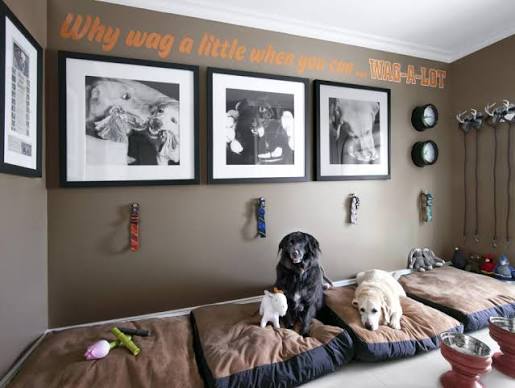
A dog room does not need to look like a kennel, and it does not require an unused bedroom. It can be a calm corner in the living room, a practical section of the mudroom, or a small nook near the kitchen. What makes it work is a clear purpose. The space should support your dog’s daily routine while still feeling connected to the colors, materials, and furniture in the rest of your home.
The strongest dog room ideas begin with what happens there, not with paw-print wallpaper or a cart full of accessories. Plan the routine first, then make the practical parts look intentional.
Decide What the Space Needs to Do
Write down the activities the area must support. Most dog zones handle some combination of sleeping, feeding, toy storage, walking gear, grooming supplies, or quiet time. A small corner may need only a bed and one basket. A mudroom can also hold towels, leashes, food containers, and a cleanup station.
Do not force every function into one place. Food may belong near the kitchen while the bed works better where your dog can see the family without lying in a busy walkway. A leash station is most useful near the door you actually use for walks.
Once you know the jobs, sketch simple zones on the floor. Place the largest item first, usually the bed or crate, and build storage around it. This keeps the room from becoming a collection of attractive pieces that interrupt each other in daily use.
Give Your Dog a Comfortable View of Home
Many dogs prefer a resting place that feels protected without being isolated. Look for a location away from doors that swing open, sharp traffic turns, and the main path between rooms. At the same time, the dog should still be able to see or hear familiar household activity if that helps them settle.
A corner beside a sofa, the end of a built-in cabinet, or a quiet section of a home office can work well. If you use a crate, allow the door to open fully without blocking the walkway. Keep cords, small decorative objects, cleaning products, and anything your dog may chew outside the accessible area.
The aim is not to create a miniature human bedroom. It is to give the dog a dependable place that makes sense in the home’s real layout.
Choose Materials for the Life You Actually Have
Start with the surfaces that will be cleaned most often. Washable bed covers, wipeable paint, sturdy baskets, and a floor that can be swept easily make the space simpler to maintain. If your dog comes in with muddy paws, keep a washable runner or towel basket near the entry instead of relying on a pale rug that causes daily stress.
Color can do practical work too. Mid-tone fabrics and subtle patterns tend to make stray hair and everyday marks less visually demanding than very dark or very light solid colors. You do not need to match every finish to your dog’s coat. Choose materials that already relate to the room, then add one or two forgiving textures where the dog spends the most time.
Before buying storage or upholstery, ask three questions:
- Can the cover or surface be cleaned without a complicated routine?
- Will fur become embedded in the weave?
- Can the item stay stable if the dog brushes against it?
Useful materials are easier to style because you are not constantly protecting them from normal use.
Turn Storage Into Part of the Furniture Plan
Dog supplies create visual clutter when every category has a separate container. Group them by routine instead. Keep walking gear together near the door, daily toys together near the bed, and grooming or medical supplies in closed storage where the dog cannot reach them.
A console with two baskets, a bench with drawers, or a lidded cabinet can replace a row of mismatched bins. Use open storage only for items you reach for constantly and that are safe to leave accessible. Keep food in an appropriate closed container rather than treating it as decor.
Match the storage finish to a material already in the room. A walnut bench can echo a coffee table. Painted cabinetry can repeat the wall color. Woven baskets can pick up the texture of a rug or shade. Repetition makes the dog zone feel designed with the room instead of added after everything else.
Use Pet Art as One Clear Focal Point
Personal details make the space warm, but too many themed signs, bone shapes, and novelty accessories can make a shared room feel busy. One portrait often says more than a wall full of slogans.
Treat pet art the same way you would treat any portrait. Choose a palette that works with nearby upholstery, wood, and wall color. Give the piece enough clear space to be seen. If the dog zone already includes several baskets, hooks, and shelves, use one larger artwork rather than a cluster of small frames.
A piece of custom pet Canvas artwork from Pawfolio Art can work especially well as a stand-alone focal point because the gallery-wrapped construction gives it visible depth even without an external decorative frame. Place it above the bed or storage console where it connects visually with the dog’s area but remains safely out of reach.
If you prefer a gallery wall, keep one element consistent. Matching frame finishes, a shared background color, or similar spacing can connect a pet portrait with family photographs, landscapes, and abstract art. The wall will feel personal without becoming a theme display.
Let One Palette Connect the Whole Area
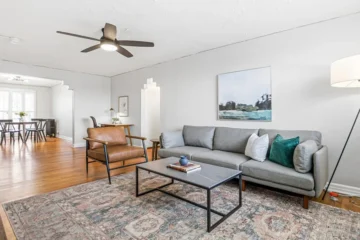
Choose colors from the room, not from the pet aisle. If the living room uses cream upholstery, walnut wood, and dusty blue accents, the dog bed might repeat the blue while baskets and frames pick up the wood. A mudroom with white cabinets and terracotta flooring could use a warm neutral bed and black hardware.
Limit the number of new colors you introduce. The dog zone already contains visually specific objects such as bowls, toys, leashes, and blankets. A restrained palette helps those necessary items settle into the background.
The same principle applies to artwork. A bold portrait can lead the palette, while a quieter portrait can borrow colors from the room. If the portrait will be custom made, choose a clear pet photo that shows the face, coloring, ears, and distinctive markings. A good reference makes it easier for the finished art to feel recognizably yours.
Plan for Daily Resetting
A beautiful dog room stays beautiful only when it is easy to reset. Give every frequently used item an obvious home and leave a little empty space. A completely full shelf has nowhere for a new toy, folded towel, or package of treats to go.
Try a two-minute evening reset. Put toys in one basket, hang the leash, straighten the bed, and wipe the feeding area if needed. If that feels difficult, the storage is probably too far from the activity or too complicated to use with one hand.
Keep seasonal and backup supplies elsewhere. The dog zone needs today’s leash, a few toys, and the items used in the regular routine. It does not need every coat, travel bowl, unopened treat, and grooming tool on display.
Finish With the Dog’s Routine
Before calling the room complete, follow your dog through a normal day. Can they reach the bed without crossing the feeding area? Can you grab the leash without moving a basket? Is anything tempting to chew or easy to knock over? Can the floor be cleaned without shifting several pieces of furniture?
Good dog room design makes ordinary life easier and gives the space a calm visual identity. Start with the dog’s routine, choose durable pieces that belong with your existing decor, and use one personal focal point to make the area feel finished.