Timeless Materials for BTO Interior Design That Last
Key Takeaways
- Choose durable materials that remain practical and visually relevant over time.
- Neutral finishes are easier to update with décor than bold, trend-driven surfaces.
- Prioritise materials with proven performance in kitchens, bathrooms, and high-traffic areas.
- A well-planned BTO interior design relies on quality materials as much as layout and colour.
- Selecting timeless finishes helps a BTO 5-room design remain functional and appealing for years.
Introduction
A successful BTO interior design is not only about choosing an attractive style. The materials used throughout the home have a significant impact on durability, maintenance, and long-term appearance. While colours and decorative trends may change, certain materials continue to suit different interior styles and are less likely to look outdated after a few years. This is especially important for homeowners planning a BTO 5-room design, where renovation decisions are expected to last through different life stages. Choosing timeless materials allows future updates to focus on furnishings and accessories instead of costly structural replacements.
Natural Wood and Wood-Look Finishes
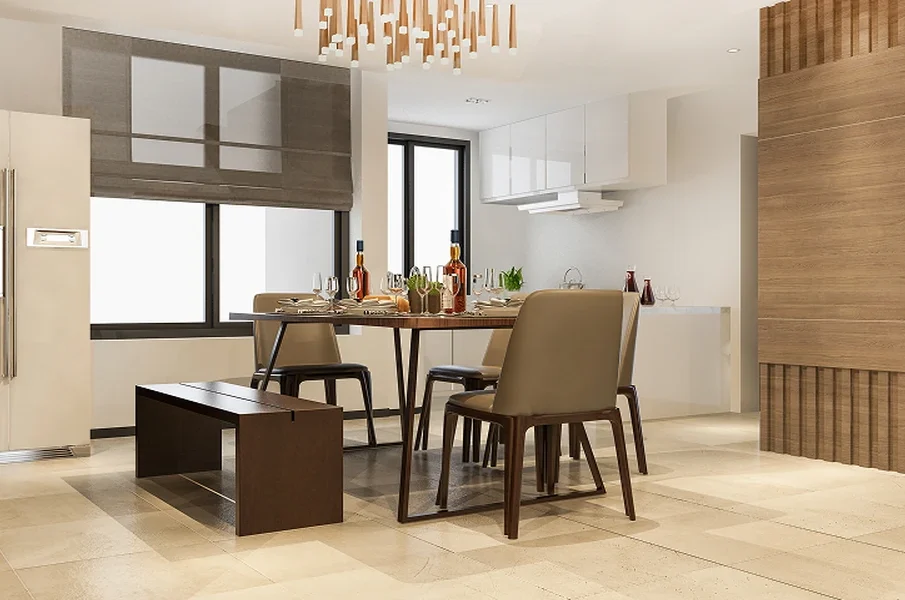
Wood has remained a popular interior material because it works with a wide range of design concepts, from Scandinavian and contemporary to Japandi and modern classic. Solid timber is often used for furniture and selected feature elements, while engineered wood and high-quality laminates provide practical alternatives for built-in cabinetry. Wood-look finishes add warmth without overwhelming a space and pair easily with neutral walls, stone surfaces, and metal accents. Selecting natural wood tones rather than heavily stained or unusually coloured finishes helps maintain flexibility when homeowners decide to refresh the interior in the future.
Stone and Quartz Surfaces
Stone continues to be a preferred material for kitchen countertops, bathroom vanities, and feature walls because of its durability and timeless appearance. Natural stones such as granite and marble have distinct patterns that give every surface a unique look, while engineered quartz offers a consistent finish with lower maintenance requirements. Neutral shades, including white, grey, beige, and soft charcoal, remain suitable across changing design trends. These materials also complement a wide variety of cabinetry colours, making them practical choices for homeowners who may update other parts of their interior over time.
Neutral Tiles for Long-Term Versatility
Flooring and wall tiles are among the most permanent elements in a home renovation. Replacing them often requires high cost and disruption, making it worthwhile to choose timeless options from the beginning. Porcelain tiles in matte finishes, subtle stone patterns, or concrete-inspired textures continue to suit many interior styles without appearing dated. Large-format tiles also create a cleaner appearance by reducing grout lines, making spaces feel more open. Neutral tile selections provide a versatile foundation that allows homeowners to introduce different furniture styles and decorative accents without creating visual conflict.
Glass and Metal Accents
Glass and metal are often used as supporting materials, but they play an important role in maintaining a contemporary appearance. Clear or fluted glass partitions allow natural light to move through different areas while preserving privacy where required. Black, brushed nickel, and stainless-steel finishes remain widely used for handles, frames, lighting fixtures, and bathroom fittings because they coordinate with many colour palettes. Instead of relying on decorative metals with bold finishes that may lose popularity, simple and understated hardware generally offers greater longevity and easier maintenance.
Quality Laminates for Built-In Carpentry
Built-in storage forms a major part of many renovation projects, particularly in a BTO 5-room design where homeowners often maximise available wall space. Modern laminates are available in finishes that replicate wood, stone, fabric, and textured surfaces while offering resistance to scratches, moisture, and daily wear. Choosing neutral colours and subtle textures instead of highly patterned designs allows built-in carpentry to remain relevant even as furnishing styles change. This approach reduces the likelihood of requiring complete cabinet replacements simply because design preferences evolve.
Conclusion
A timeless BTO interior design depends on selecting materials that combine durability, versatility, and practical maintenance. Natural wood, stone or quartz surfaces, neutral tiles, glass, metal accents, and quality laminates have consistently remained suitable across changing interior trends because they provide a balanced foundation rather than following short-lived fashions. When incorporated thoughtfully into a BTO 5-room design, these materials make it easier to refresh the home’s appearance through furniture, lighting, and décor updates instead of major renovations, helping the space remain functional and visually current for many years.
Visit HOFT and let us build you a home that stays functional and relevant for years.