A Room-by-Room Guide to Finding Bed Bug Activity
Key Takeaways
- Bed bugs can spread beyond bedrooms and occupy multiple areas of a property.
- Early detection improves the chances of controlling an infestation before it becomes widespread.
- Different rooms present different hiding places that require careful inspection.
- Identifying signs of activity is an important first step before attempting to get rid of bed bugs.
- A systematic room-by-room inspection helps ensure no infested areas are overlooked.
Introduction
Bed bugs are small insects that feed on human blood and are known for their ability to hide in narrow cracks and concealed spaces. While many people associate them exclusively with mattresses, infestations can spread throughout a property if left unchecked. Finding evidence of bed bug activity early can help prevent a minor issue from becoming a larger infestation. That said, before taking steps to get rid of bed bugs, it is important to understand where they commonly hide and what signs to look for. A structured room-by-room inspection allows property owners, tenants, and pest management professionals to identify affected areas more effectively.
Start with the Bedroom
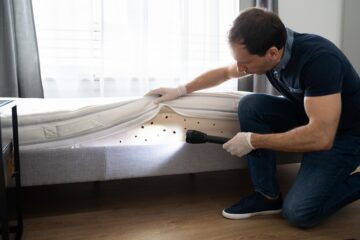
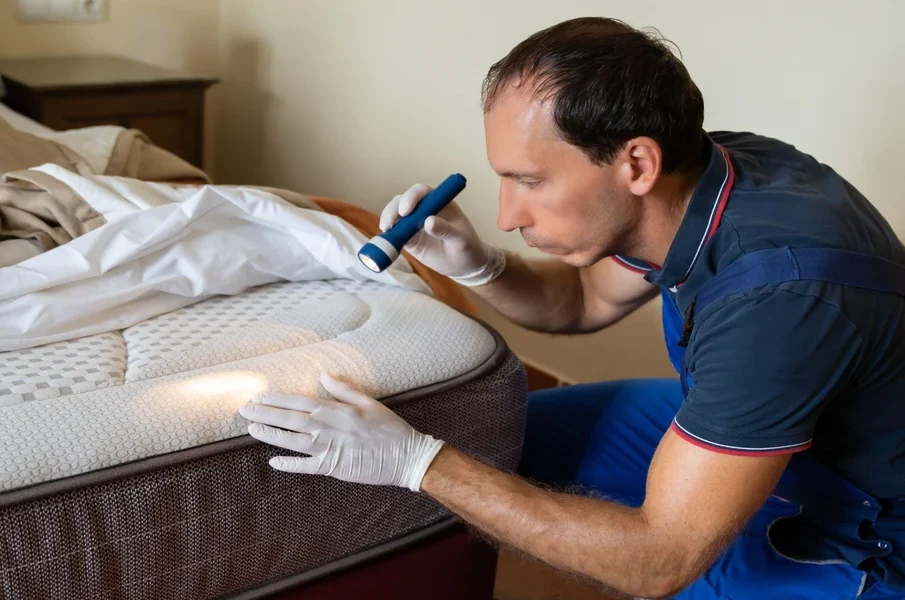
The bedroom is usually the first place to inspect because bed bugs prefer to stay close to their food source. Begin by examining mattress seams, labels, piping, and corners. Look for live insects, shed skins, tiny white eggs, and dark faecal spots that resemble ink marks. Remove bedding and inspect the mattress surface carefully. Bed frames should also be checked thoroughly, particularly joints, screw holes, cracks, and headboards. Upholstered bed bases and nearby furniture, such as bedside tables, can provide additional hiding places. Since bed bugs often remain concealed during daylight hours, a detailed inspection of all crevices is necessary. Many efforts to get rid of bed bugs fail because small harbourage areas within the bedroom are overlooked.
Inspect Living Rooms and Common Areas
Living rooms can become secondary infestation sites, especially in homes where people spend long periods sitting on sofas or armchairs. Upholstered furniture should be inspected along seams, folds, zippers, and underneath cushions. Bed bugs can also hide within furniture frames and underneath fabric coverings attached to the bottom of sofas. Curtains, rugs, and nearby skirting boards should not be ignored. In severe infestations, insects may travel away from sleeping areas and establish themselves in multiple rooms. Evidence such as dark spotting, shed skins, or live insects around frequently used seating areas may indicate expanding activity. Anyone attempting to get rid of bed bugs should ensure that living spaces receive the same level of attention as bedrooms.
Check Guest Rooms and Spare Bedrooms
Guest rooms are often inspected less frequently than primary bedrooms, making them suitable hiding locations. Since these rooms may remain unused for extended periods, infestations can develop unnoticed. Mattresses, bed frames, wardrobes, and storage furniture should all be examined carefully. Even if no one has recently slept in the room, bed bugs may migrate there from adjacent spaces. Properties with multiple bedrooms should treat every sleeping area as a potential harbourage site. A comprehensive inspection helps determine the true extent of the infestation before measures are implemented to get rid of bed bugs.
Examine Home Offices and Study Areas
Since remote working has become more common, home offices have become another potential location for bed bug activity. Although these pests prefer sleeping areas, they can hide in office chairs, fabric-covered furniture, and even behind wall fixtures. Inspect desk chairs, shelving units, electrical outlets, and cable management systems where narrow gaps are present. Bags, backpacks, and other personal items moved between locations may also transport bed bugs from one room to another. Including office spaces in an inspection plan reduces the risk of missing hidden populations that could later spread throughout the property.
Don’t Forget Hallways, Storage Areas, and Adjacent Spaces
Hallways, closets, and storage rooms may not appear to be likely infestation sites, but they can serve as pathways and temporary hiding places. Bed bugs can shelter behind skirting boards, inside cracks in walls, around door frames, and within stored belongings. Luggage, boxes, and rarely used items should be checked carefully if an infestation is suspected. These areas often contain clutter, which creates additional hiding opportunities. Thorough inspections of transitional spaces help ensure that any attempt to get rid of bed bugs addresses all affected locations rather than only the most obvious rooms.
Conclusion
Finding bed bug activity requires more than a quick look at a mattress. These insects can occupy bedrooms, living rooms, guest rooms, home offices, and even storage areas. Conducting a systematic room-by-room inspection allows property owners to identify evidence of infestation and understand how widely it has spread. Remember, by locating harbourage areas early and thoroughly, individuals can make more informed decisions when planning strategies to get rid of bed bugs and prevent further infestation growth.
Contact Rentokil to implement targeted treatments designed to help get rid of bed bugs efficiently and minimise the risk of recurrence.